
Case Study: Saving Energy with Efficient AC Solutions


Introduction to Energy Efficiency in AC Systems
Air conditioning systems are essential for maintaining comfort in homes and offices, but they can also be significant energy consumers. With rising energy costs and environmental concerns, finding efficient AC solutions has become crucial for both residential and commercial properties.
Understanding the Impact of Traditional AC Systems
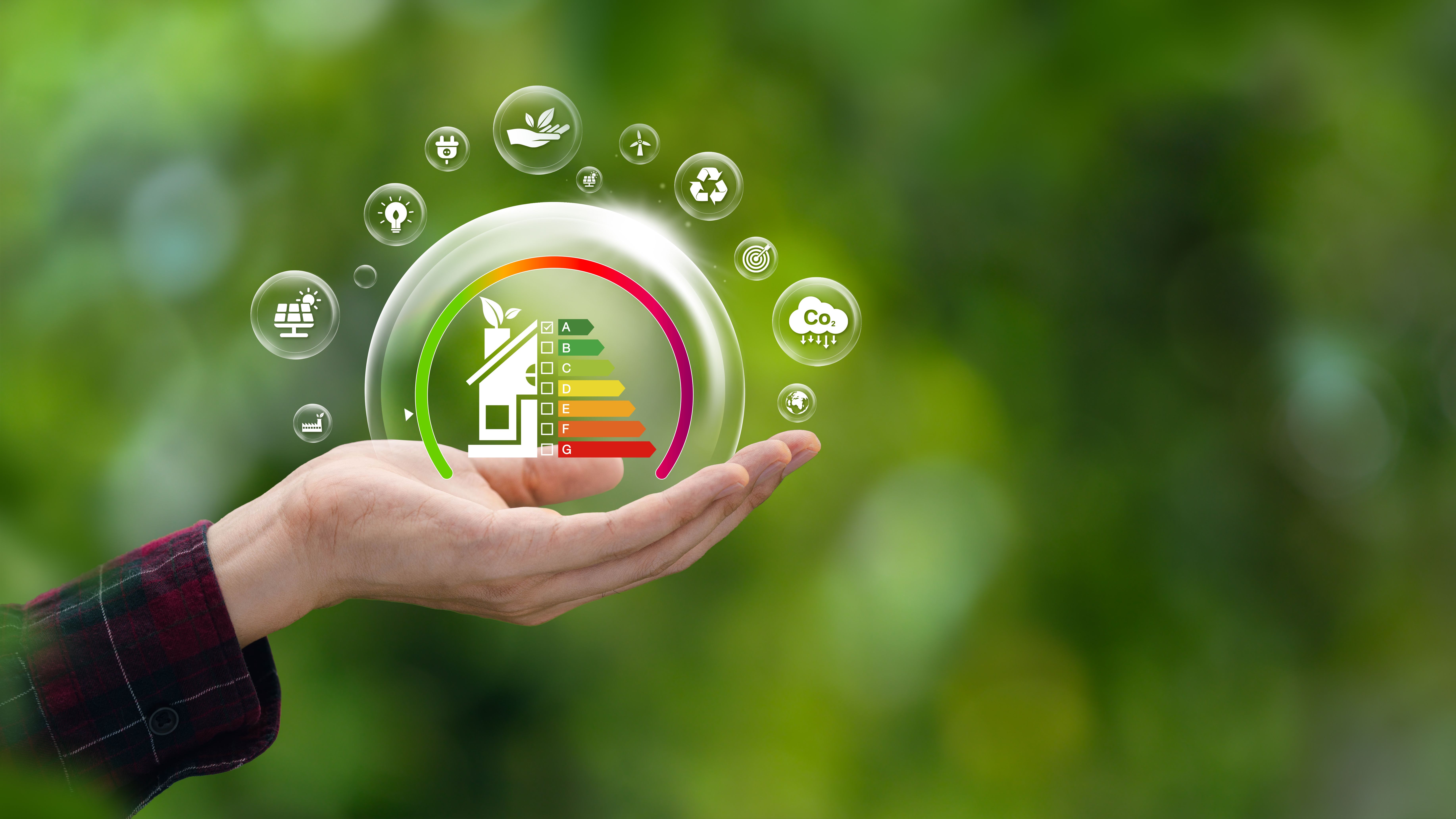
Traditional air conditioning systems often rely on outdated technology that can waste energy and increase utility bills. These systems typically consume large amounts of electricity, especially during peak usage times. As a result, they contribute to higher carbon emissions and environmental degradation.
Common Challenges with Traditional Systems
Some of the common challenges associated with traditional AC systems include:
- High energy consumption
- Frequent maintenance issues
- Inconsistent temperature regulation
Efficient AC Solutions: A New Era
Modern AC solutions have revolutionized how we approach cooling systems. These technologies focus on reducing energy consumption while maintaining optimal performance. By integrating smart technology and innovative design, these systems offer a sustainable alternative to traditional models.
Key Features of Efficient Systems
Efficient AC systems come with several advanced features, including:
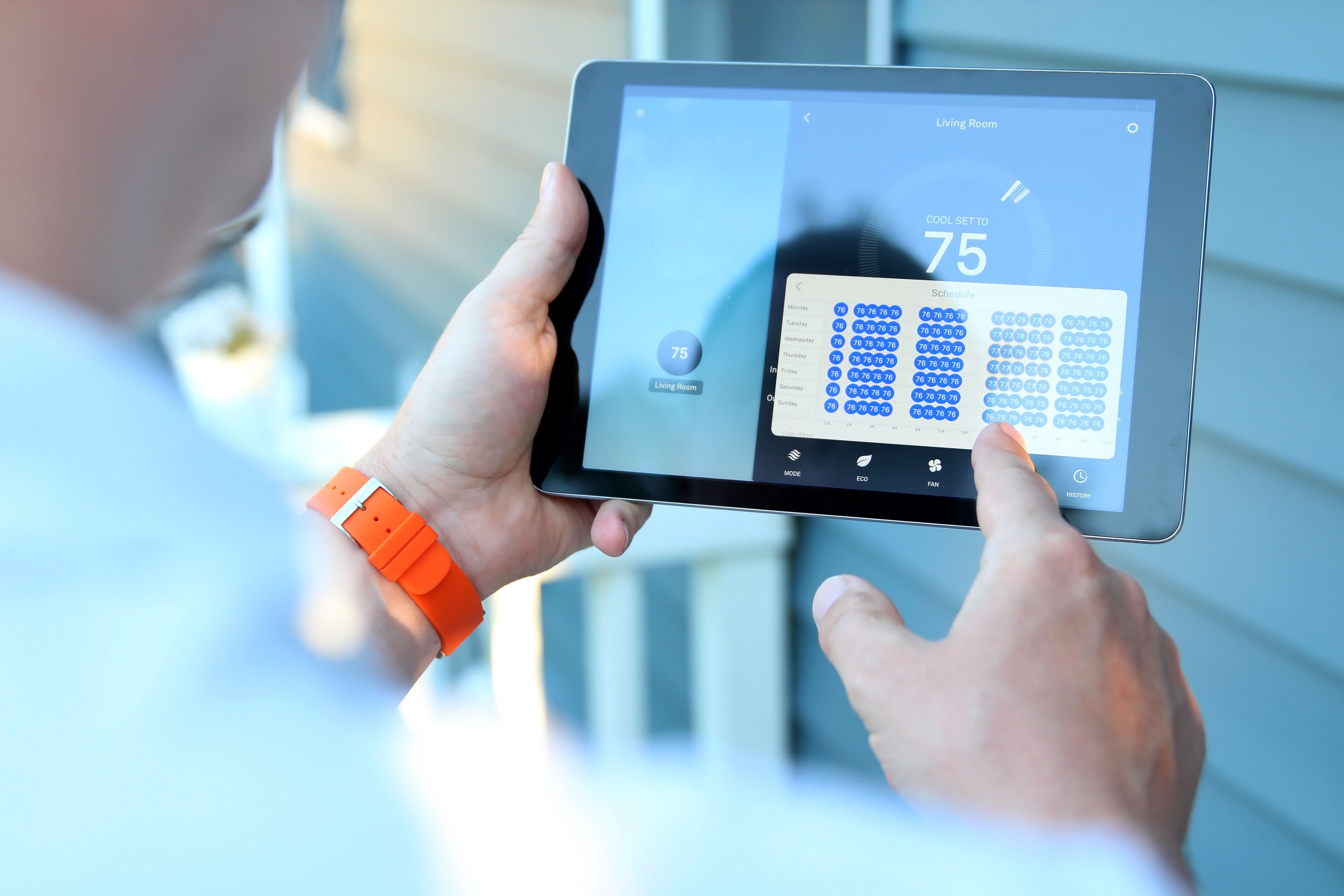
- Smart Thermostats: Allow precise temperature control and scheduling.
- Variable Speed Compressors: Adjust power usage based on cooling needs.
- Eco-Friendly Refrigerants: Minimize environmental impact.
Case Study: Successful Implementation
A commercial office building recently upgraded its air conditioning systems to incorporate energy-efficient technology. This transition resulted in a 30% reduction in energy costs within the first year. The building also experienced improved air quality and enhanced employee comfort.

Steps Taken in the Transition
The successful transition involved several strategic steps:
- Conducting a comprehensive energy audit
- Selecting suitable energy-efficient models
- Training staff on new system operations
Benefits of Efficient AC Solutions
Switching to efficient AC systems provides numerous benefits beyond cost savings. These include a reduced carbon footprint, increased property value, and compliance with energy regulations. Moreover, businesses can enjoy enhanced reputation and customer satisfaction by adopting sustainable practices.
Long-term Advantages
In the long term, investing in efficient AC solutions can lead to:
- Lower maintenance costs
- Extended lifespan of equipment
- Better indoor air quality

Conclusion
The transition to energy-efficient air conditioning is not just a trend but a necessity for sustainable living and business operations. By choosing modern AC solutions, property owners can significantly reduce energy consumption, lower costs, and contribute to a healthier environment.