
DIY AC Troubleshooting Tips Before Calling a Technician


Understanding Your AC System
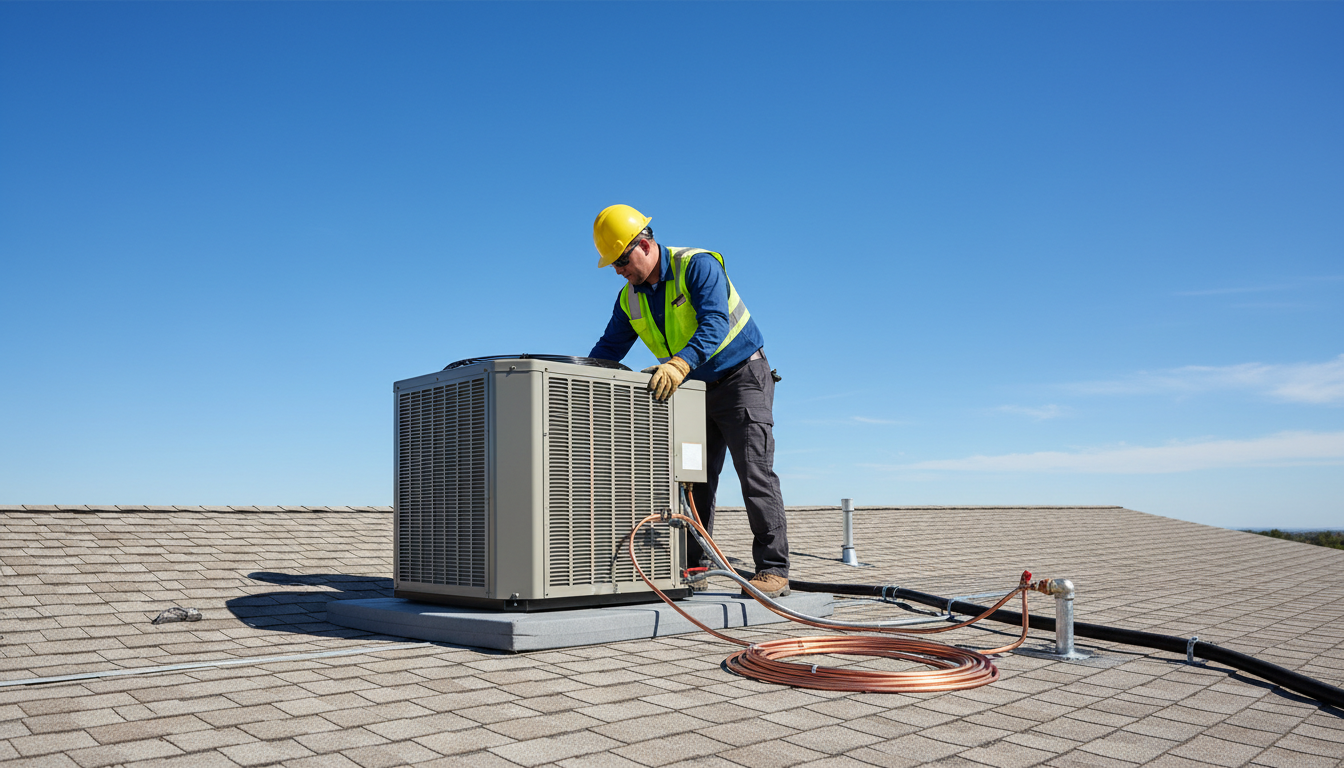
Before diving into troubleshooting, it's essential to have a basic understanding of your AC system. Most residential systems consist of two main components: the indoor unit, which houses the evaporator coil, and the outdoor unit, which contains the compressor and condenser coil. Knowing these parts will help you identify potential issues.
Check the Thermostat
The thermostat is often the first place to look if your AC is not functioning correctly. Ensure it's set to the desired temperature and mode. If it's not responding, try replacing the batteries or resetting it. This simple step can often resolve issues without further intervention.
Inspect the Air Filters
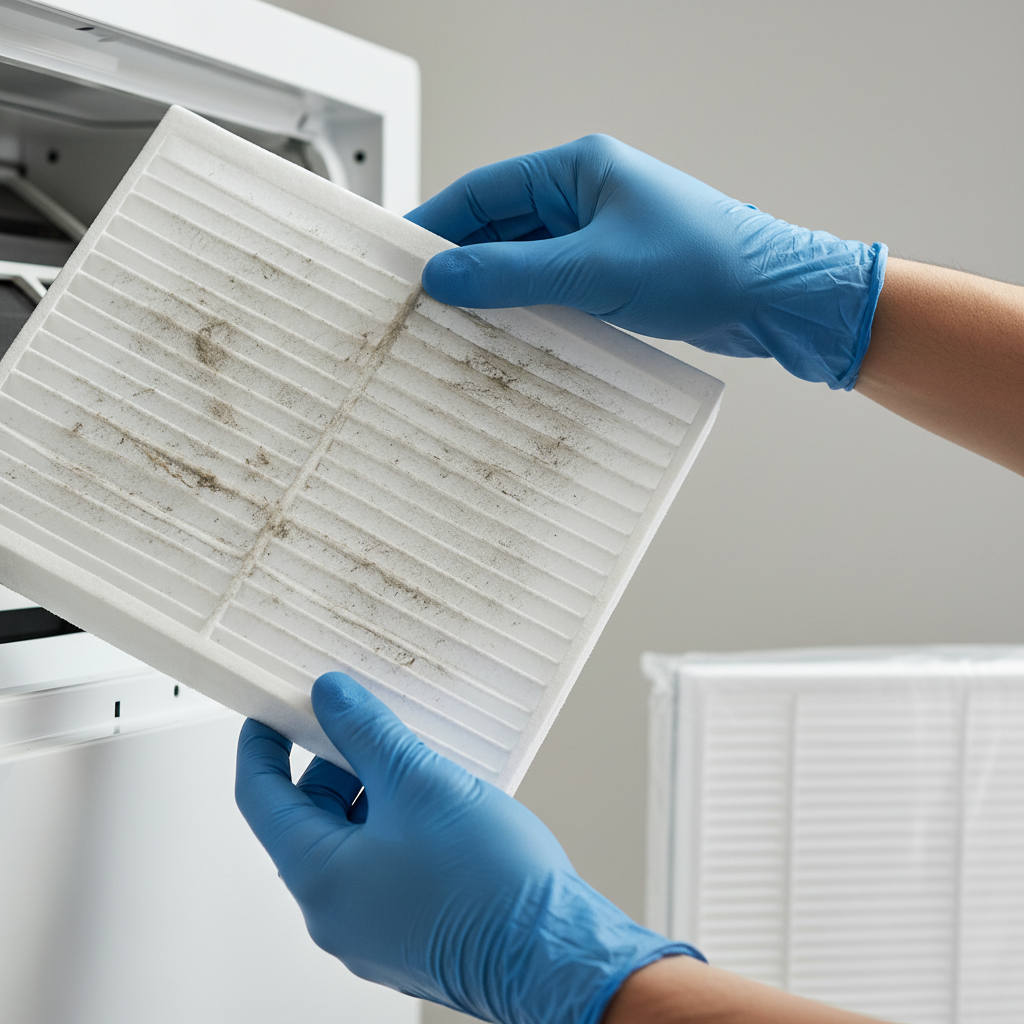
Clogged or dirty air filters can significantly affect your AC's performance. Check and replace them if necessary. Ideally, air filters should be replaced every 1-3 months, depending on usage and air quality. Clean filters ensure optimal airflow and energy efficiency.
Examine the Outdoor Unit
Your outdoor unit plays a crucial role in the cooling process. Ensure it's free from debris such as leaves, grass, or dirt. These can obstruct airflow, causing the system to overheat or malfunction. Regular cleaning can prevent many common issues.
Review Electrical Connections
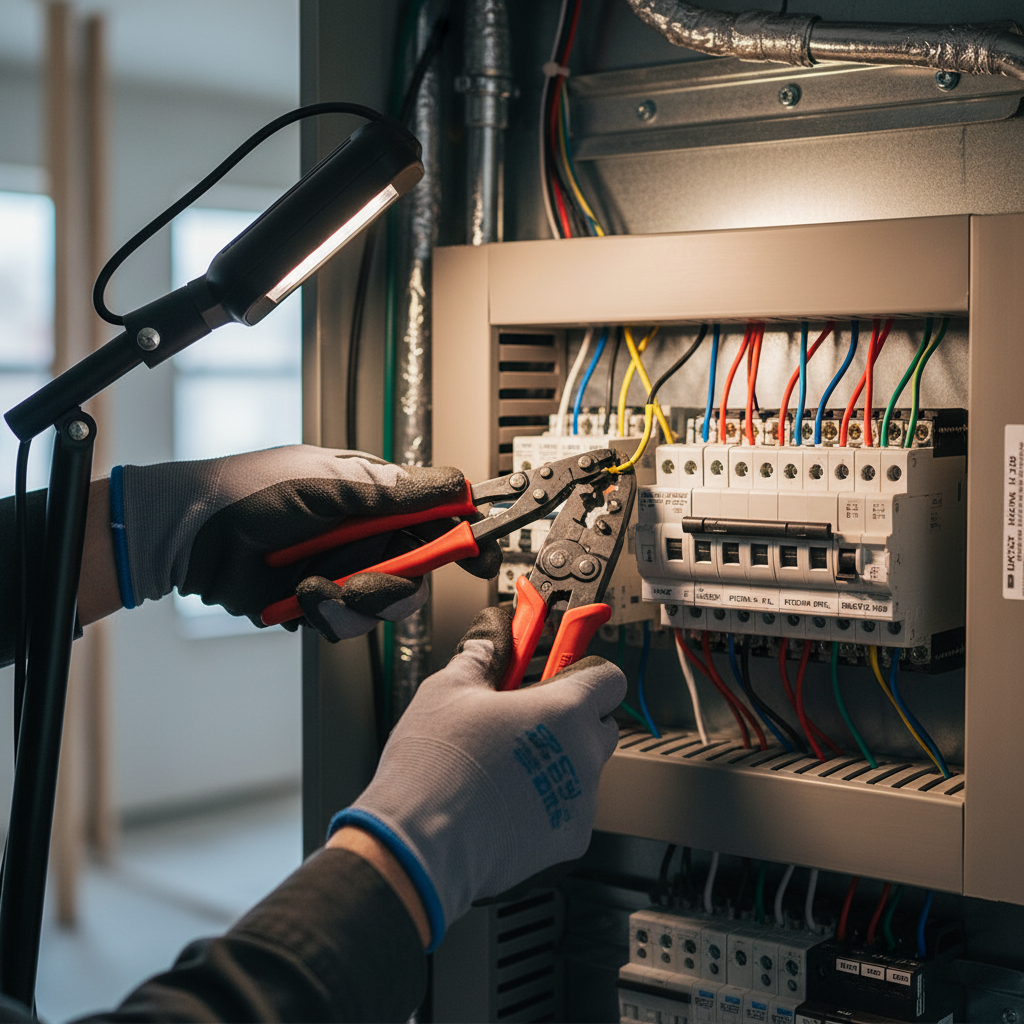
Loose or corroded connections can lead to electrical failures or inefficiencies. Carefully inspect the wiring and connections in both the indoor and outdoor units. If you notice any damaged wires or burnt connections, it may be time to call a professional.
Investigate Unusual Noises
Strange noises coming from your AC unit can indicate various problems. Rattling might mean loose parts, while hissing could suggest a refrigerant leak. Identifying these sounds early can help prevent more significant issues down the line.
Check the Refrigerant Level
Low refrigerant levels can severely impact your AC's cooling ability. Unfortunately, checking and refilling refrigerant often requires professional assistance due to the complexity and safety concerns. However, understanding its role can help you communicate effectively with a technician.
Test the Circuit Breaker
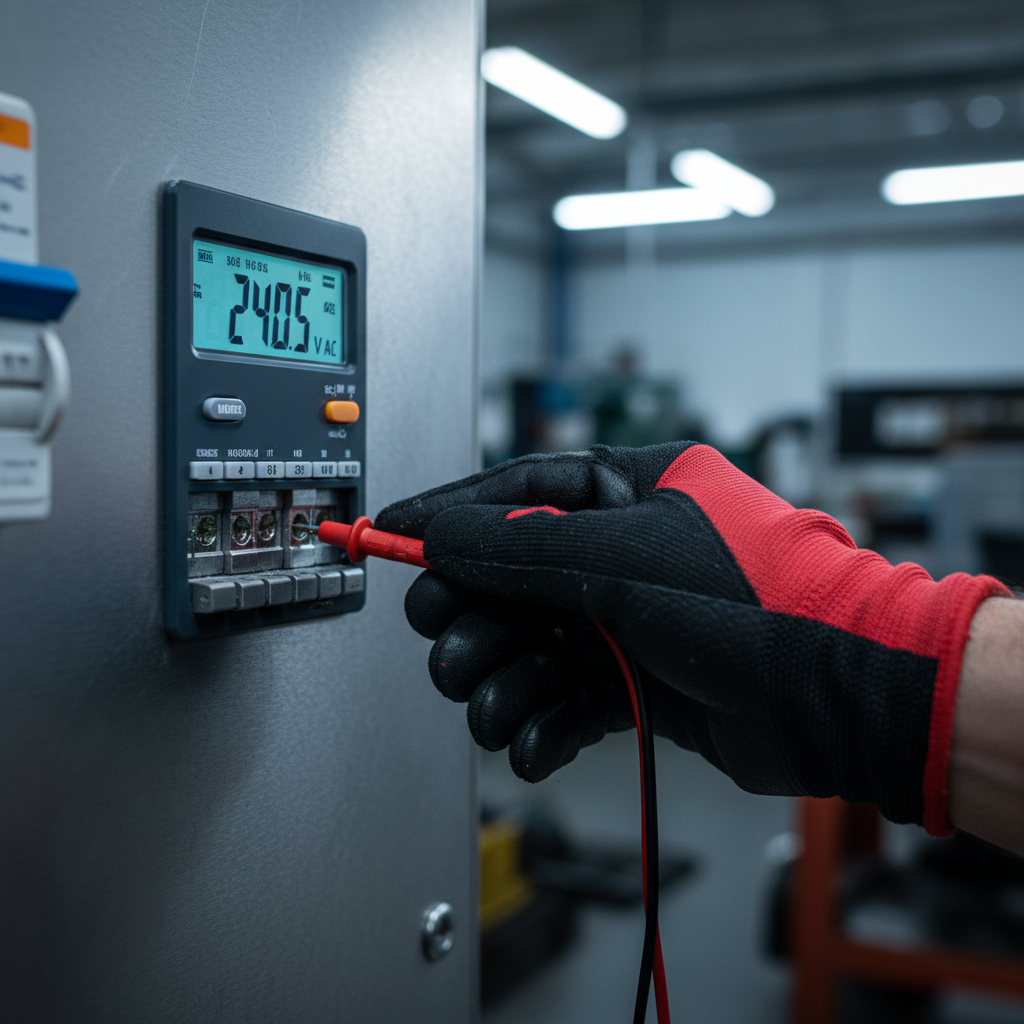
If your AC isn't turning on, check the circuit breaker. Sometimes, a tripped breaker can be reset easily, restoring power to your unit. However, if the breaker trips repeatedly, it might indicate an underlying electrical issue that needs professional attention.
Conclusion
By following these DIY troubleshooting tips, you might solve minor issues with your AC system before calling a technician. Remember, regular maintenance and timely checks can prolong the life of your unit and improve its efficiency. However, if problems persist, don't hesitate to seek professional help to avoid further damage.