
DIY Troubleshooting: How to Fix My AC Before Calling the Pros


Summer heat can be relentless, and the last thing you need is for your air conditioner to give out. Before you rush to call the professionals, there are a few DIY troubleshooting steps you can take to potentially solve the issue. In this guide, we’ll walk you through some common AC problems and how to address them.
Check the Thermostat
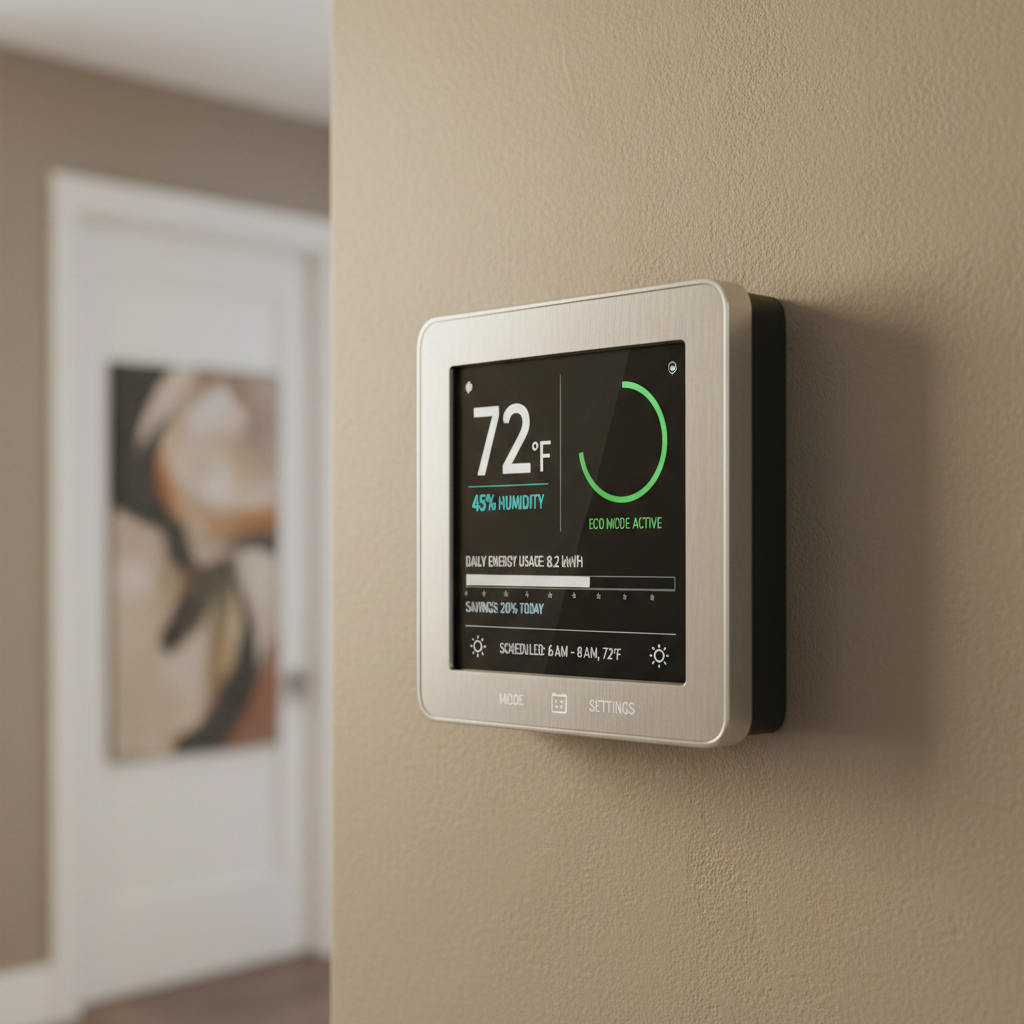
The first thing to examine is your thermostat. Ensure it’s set to “cool” and that the temperature setting is lower than the current room temperature. Sometimes, a simple adjustment can resolve the issue. Additionally, check if the thermostat needs new batteries.
If you have a programmable thermostat, verify that the settings are correct and haven’t been changed accidentally. A malfunctioning thermostat can often be the culprit behind an unresponsive AC unit.
Inspect the Air Filters
Dirty or clogged air filters can severely impact your AC’s performance. Check the filters and replace them if they appear dirty. Ideally, air filters should be replaced every 1-3 months, depending on usage and air quality.
Clean filters not only improve air quality but also enhance the efficiency of your AC system. This simple step can prevent larger issues and extend the life of your unit.
Examine the Circuit Breaker
If your AC isn't turning on at all, it might be due to a tripped circuit breaker. Head to your electrical panel and check if the breaker for your AC unit has been tripped. If it has, reset it and see if that resolves the problem.
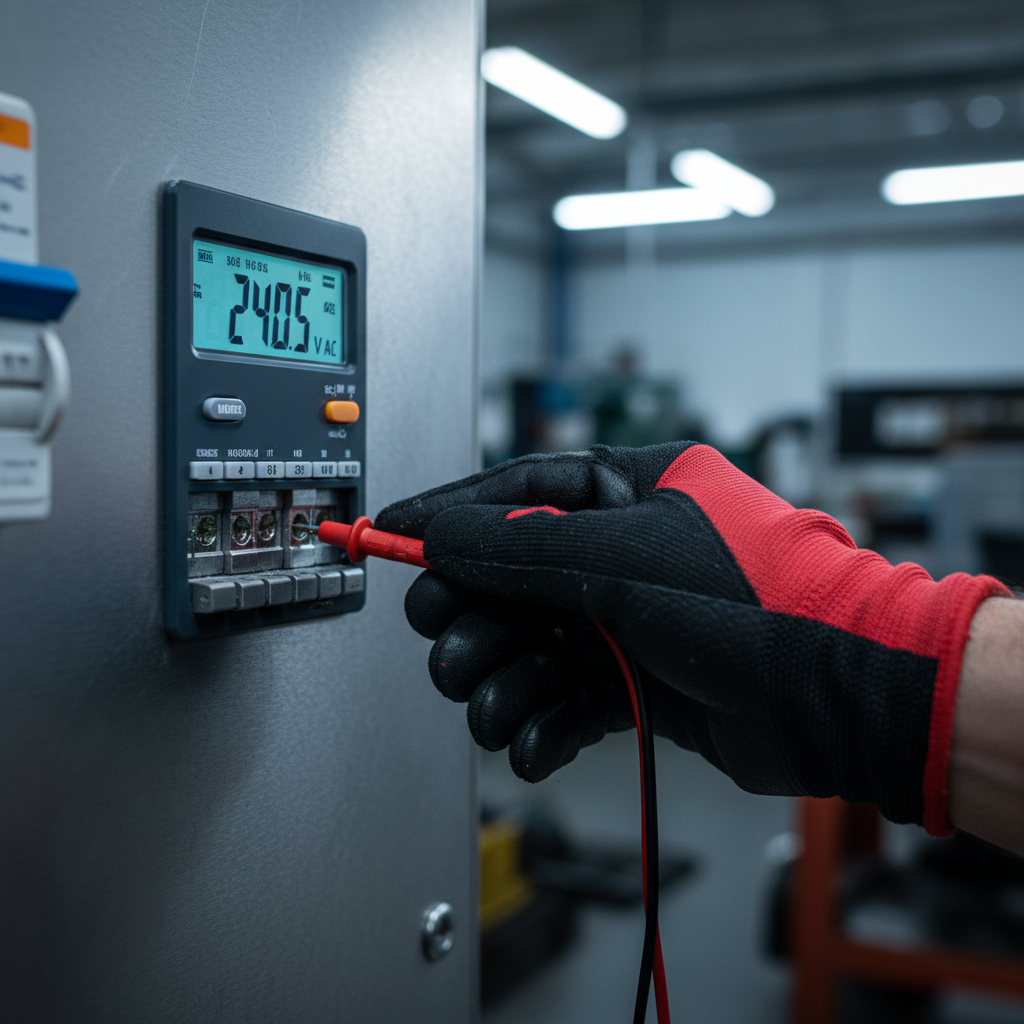
Be cautious: if the breaker trips again, there might be a more significant electrical issue at play, and it would be wise to consult a professional.
Clear the Condenser Unit
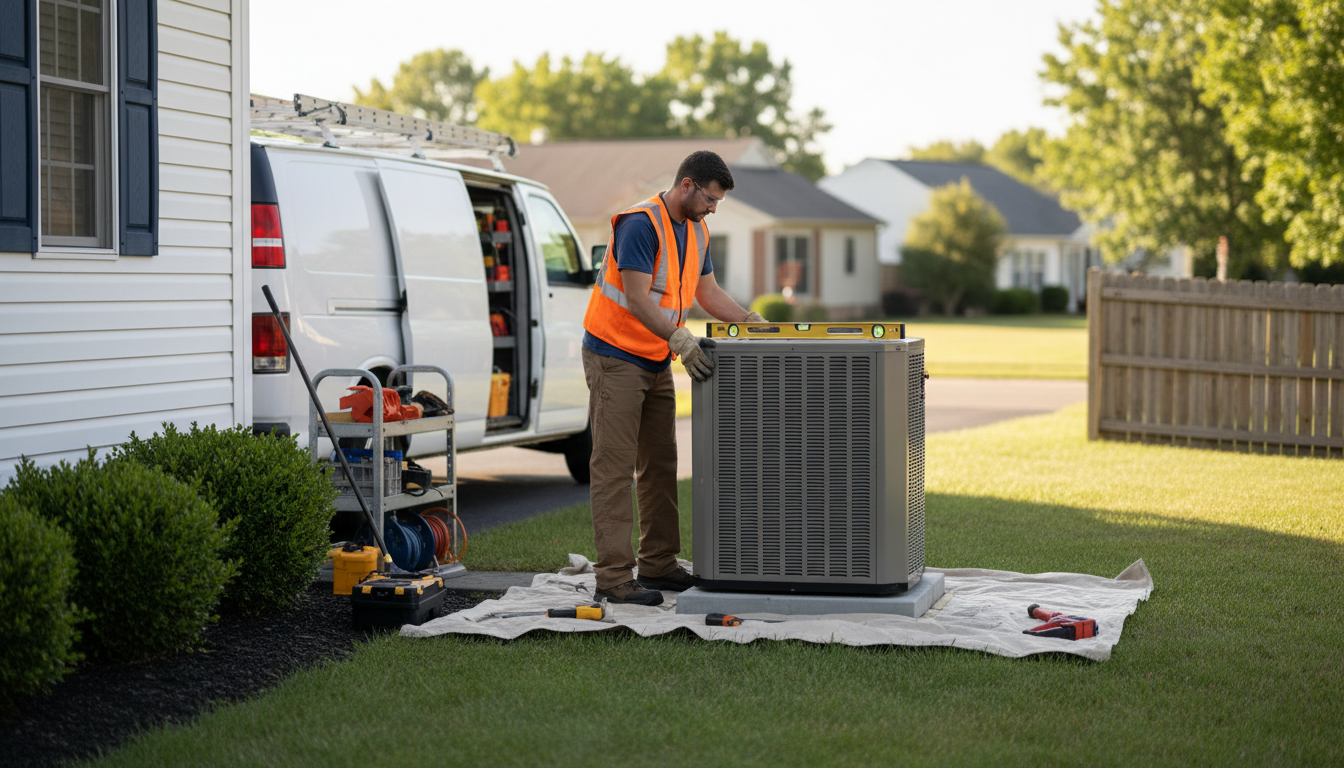
The condenser unit, typically located outside, needs to be free of debris. Leaves, dirt, and grass clippings can obstruct the unit, reducing its efficiency. Ensure the area around the condenser is clear, and gently hose off any dirt on the fins.
While cleaning, avoid bending the fins as this can disrupt airflow. A little maintenance here can go a long way in maintaining a smooth operation.
Check for Ice or Frost
If you notice ice or frost on your AC unit, it could be due to restricted airflow or refrigerant issues. Turn off the unit and let the ice melt completely. Then, check the air filters and vents for obstructions.
After ensuring everything is clear, turn the AC back on to see if the issue persists. If ice continues to form, it’s time to call a professional, as there may be a refrigerant leak.
Conclusion
Before calling in the experts, these troubleshooting steps can help you identify and sometimes solve common AC problems. Regular maintenance and prompt attention to issues can keep your air conditioner running efficiently all summer long.
Remember, while DIY fixes can be effective, don't hesitate to contact a professional for complex repairs or if you're unsure about any step of the process. Safety should always come first.