
Expert Advice: How to Improve Your Home's Air Quality


Understanding Indoor Air Quality
Indoor air quality is crucial for maintaining a healthy living environment. Poor air quality can lead to various health issues, including allergies, asthma, and other respiratory problems. Understanding the factors that contribute to indoor air pollution is the first step towards improving your home's air quality.
Common indoor pollutants include dust, pet dander, mold, and volatile organic compounds (VOCs) from household products. These pollutants can accumulate over time and affect the air you breathe. Ensuring proper ventilation and regular cleaning are key to reducing these pollutants.
Enhancing Ventilation
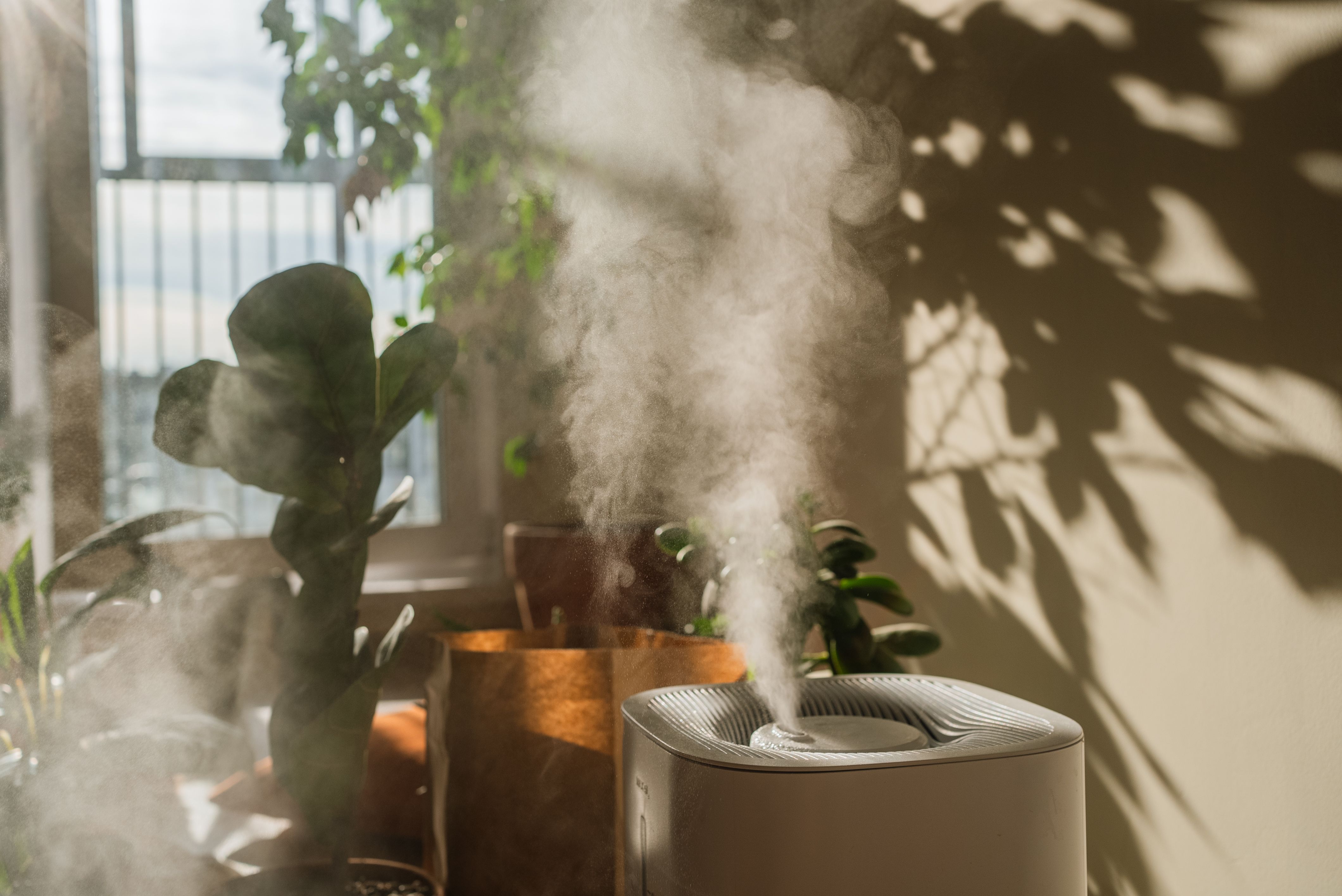
Improving ventilation is one of the most effective ways to enhance air quality. Proper ventilation helps circulate fresh air and remove stale air and pollutants from your home. This can be achieved by opening windows, using exhaust fans, and installing air vents.
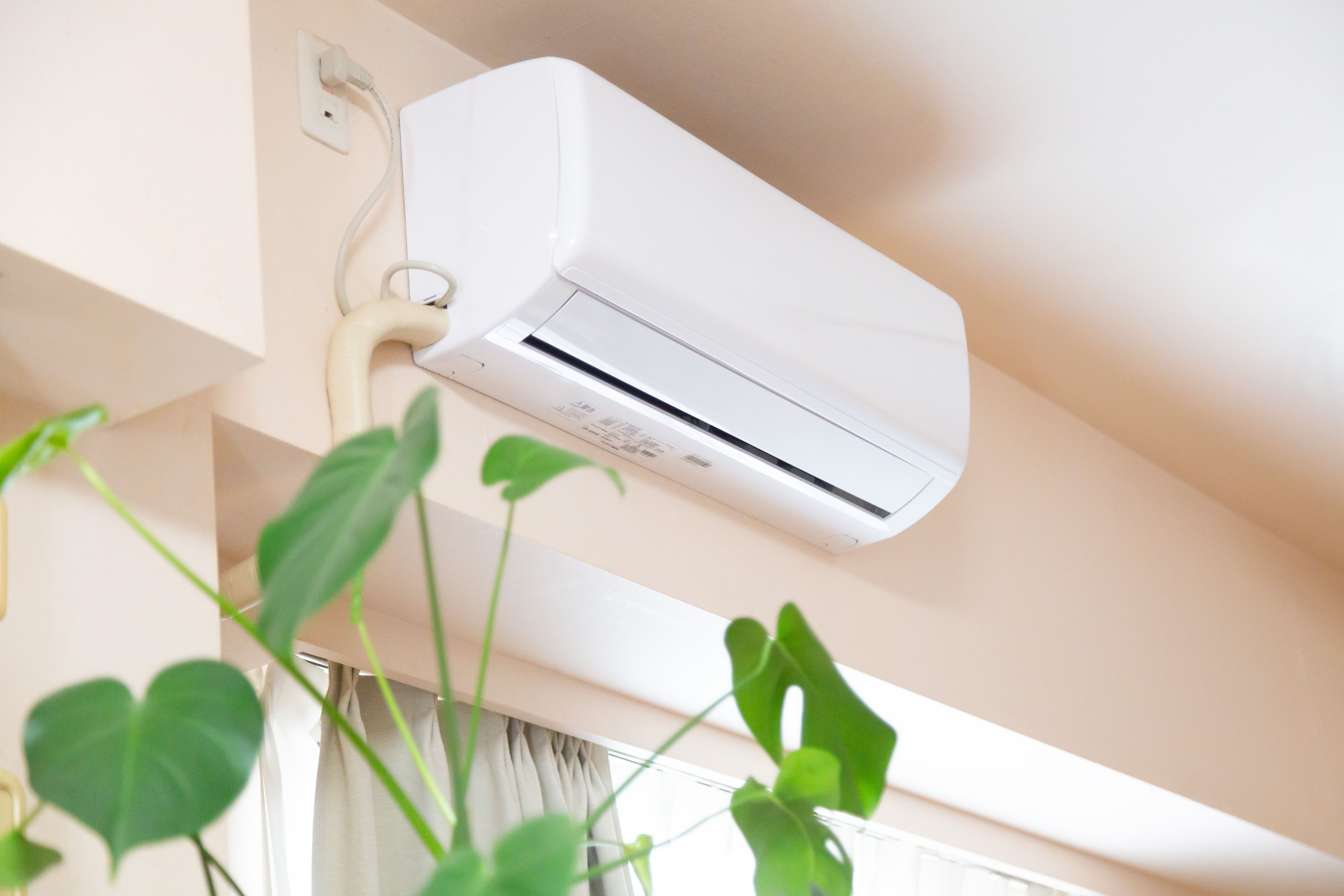
Consider using air purifiers with HEPA filters to capture airborne particles. Regular maintenance of HVAC systems, including changing filters, can also help maintain clean air circulation.
Natural Ventilation Tips
Maximize natural ventilation by strategically opening windows and doors. Cross-ventilation can be achieved by opening windows on opposite sides of a room. This encourages a natural flow of air, flushing out indoor pollutants.
Regular Cleaning Practices
Frequent cleaning is essential to reduce dust and allergens. Vacuum carpets and rugs regularly, using a vacuum with a HEPA filter to trap fine particles. Dust surfaces with a damp cloth to prevent dust from becoming airborne.
Don't forget to wash bedding, curtains, and other fabric items that can harbor dust mites and allergens. Regular cleaning of these items can significantly improve air quality.
Reducing Clutter
Clutter can accumulate dust and make cleaning difficult. Keep surfaces clear and organized to make cleaning easier and more effective. Consider using storage solutions to reduce clutter and maintain a tidy environment.

Managing Humidity Levels
Controlling humidity is vital in preventing mold growth and maintaining good air quality. High humidity levels can lead to mold, which releases spores into the air, aggravating respiratory issues.
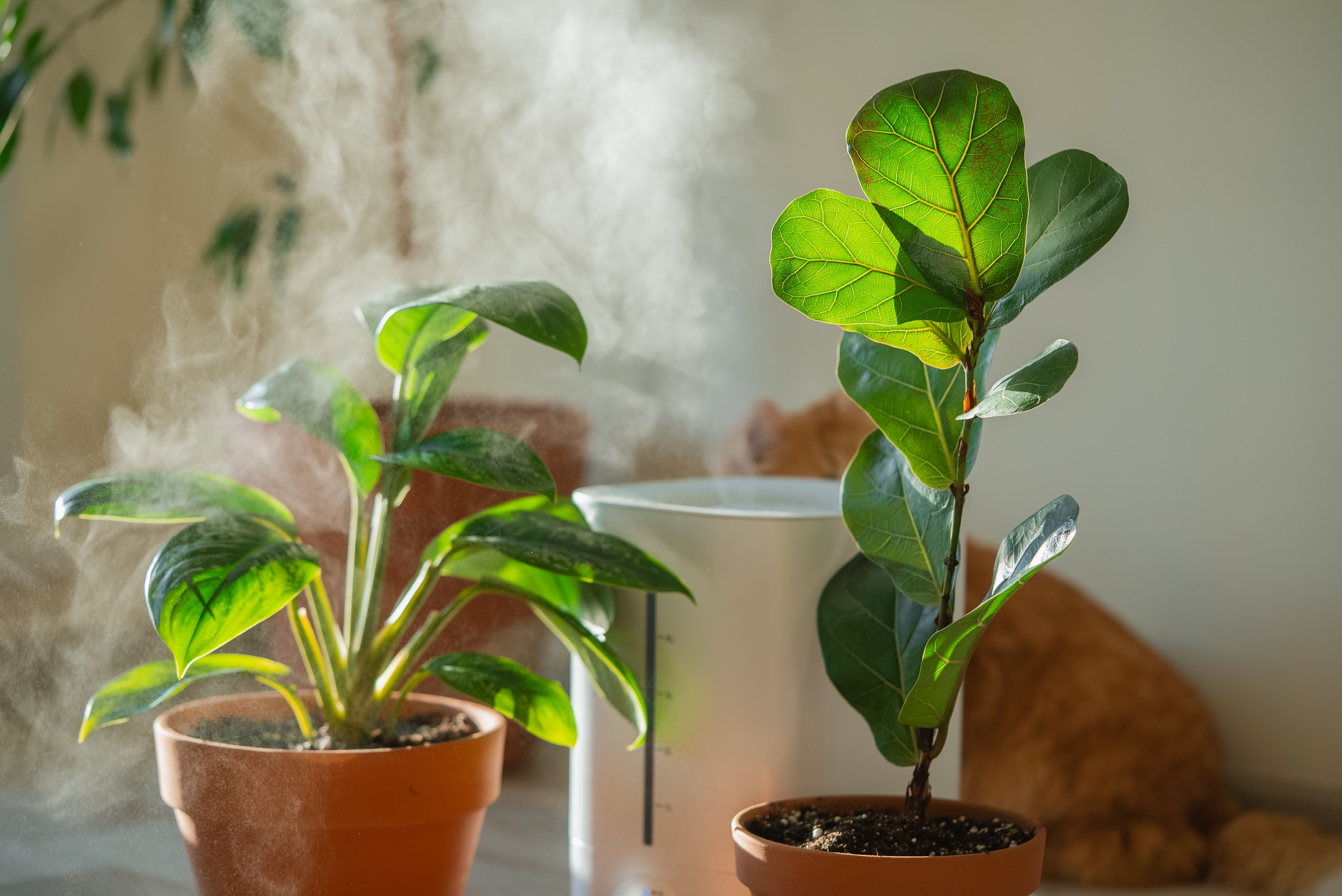
Use dehumidifiers in damp areas like basements and bathrooms. Aim to keep indoor humidity levels between 30-50% to minimize mold growth and improve comfort.
Houseplants for Air Quality
Incorporating houseplants can be an excellent way to improve air quality naturally. Plants like spider plants, snake plants, and peace lilies can help filter pollutants and add fresh oxygen to your home.
Conclusion
Improving your home's air quality is a continuous process that requires attention to ventilation, cleaning, and humidity control. By implementing these expert-backed strategies, you can create a healthier living environment for you and your family.
Remember that small changes can lead to significant improvements over time. Prioritize air quality in your home and enjoy the benefits of a cleaner, fresher atmosphere.