
How to Fix My AC: A Step-by-Step Guide to Troubleshoot Common Problems


Understanding Your AC System
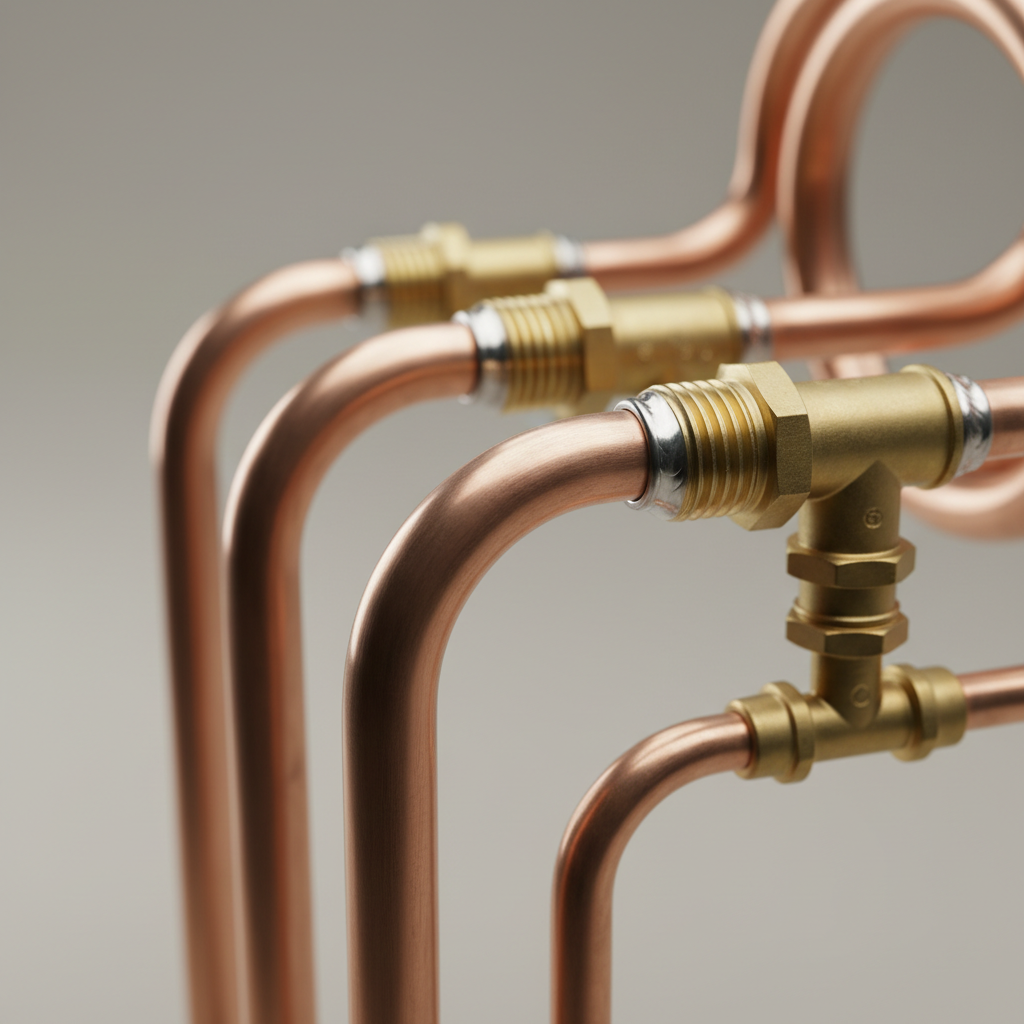
Before diving into troubleshooting, it's essential to understand the basics of your AC system. Most residential AC units consist of an indoor evaporator coil, an outdoor compressor, and a series of ducts. Knowing these components can help you identify where problems might arise.
Checking the Power Supply
One of the most common issues with AC units is power-related. If your unit isn't turning on, the first step is to check the power supply. Ensure that the unit is plugged in and the circuit breaker hasn't tripped. If everything seems fine, try resetting the breaker.
Examining the Thermostat
The thermostat is a crucial element in AC operation. If the AC isn't cooling as expected, verify that the thermostat is set to the correct temperature. It should be in "cool" mode, with a temperature setting lower than the current room temperature.
If the thermostat is battery-operated, replace the batteries to see if it resolves the issue. Sometimes, simple fixes like these can save you a lot of time and trouble.

Inspecting the Air Filter
A clogged air filter can significantly affect your AC's performance. Filters should be checked monthly, especially during peak usage times. A dirty filter restricts airflow, causing the system to work harder and potentially leading to overheating.
Replace or clean the filter if necessary. Doing this regularly can improve efficiency and prolong the lifespan of your unit.
Evaluating the Outdoor Unit
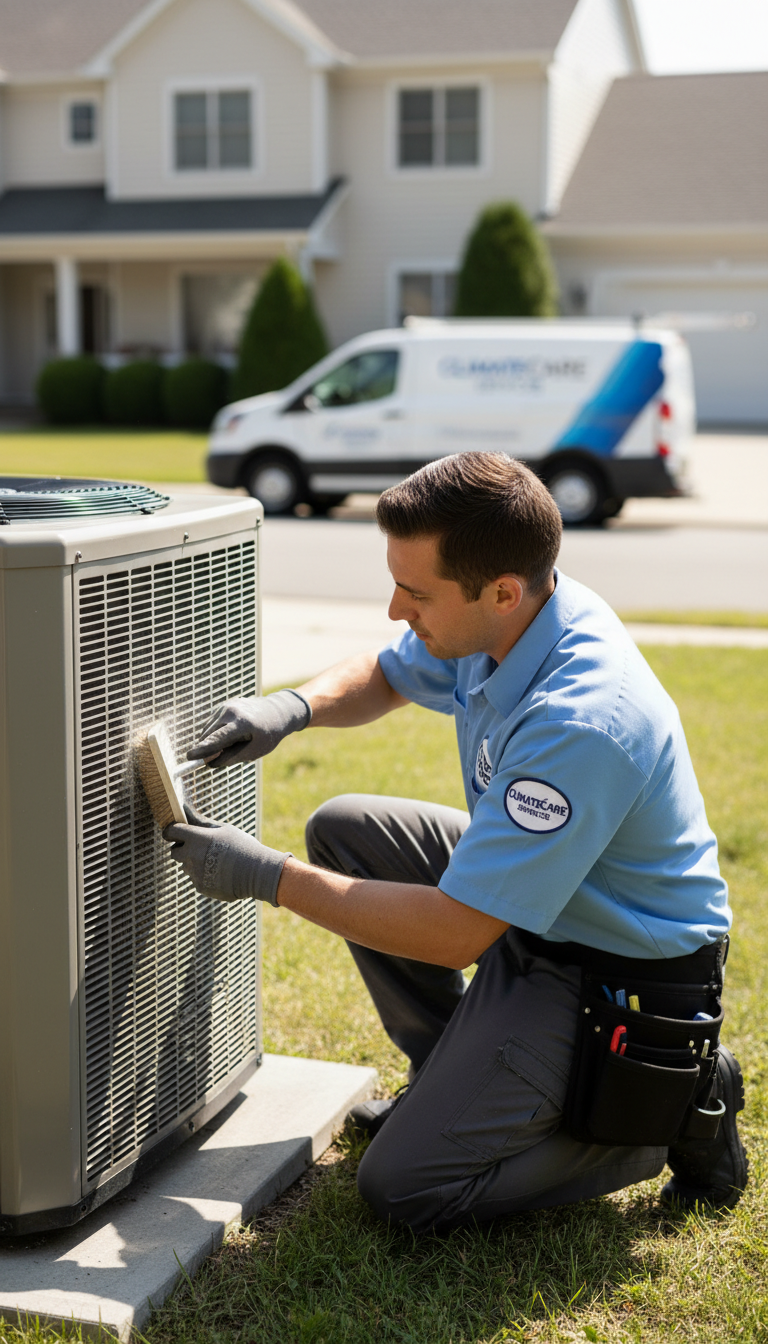
The outdoor unit can accumulate debris, affecting its efficiency. Ensure that there's at least two feet of clearance around the unit and remove any leaves, dirt, or other debris. This will ensure optimal airflow and prevent overheating.
Listening for Unusual Noises
Unusual noises can be an indication of a problem within the AC unit. Listen for rattling, buzzing, or grinding sounds. These may suggest issues with components such as the fan motor or compressor.
If you're unsure about the cause of the noise, it's best to consult a professional to prevent further damage.
Checking Refrigerant Levels
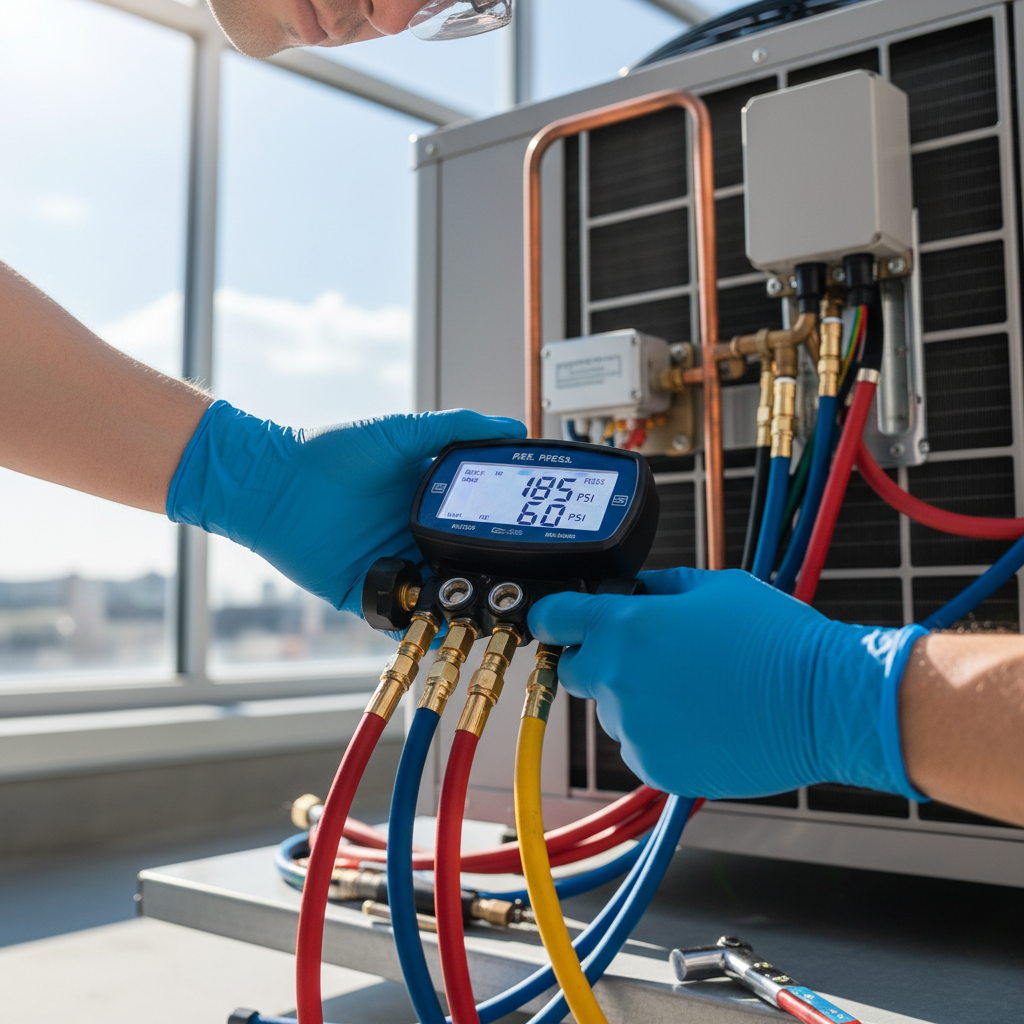
Low refrigerant levels can lead to inefficient cooling. If you suspect a refrigerant leak or low levels, it’s advisable to contact a certified technician. Handling refrigerant requires special equipment and expertise.
Regular Maintenance
Regular maintenance is key to preventing common AC problems. Schedule annual check-ups with a professional to ensure your system is running smoothly. Routine inspections can catch issues early, saving you money and headaches in the long run.
By following these troubleshooting steps, you can address many common AC issues on your own. However, if the problem persists, don't hesitate to call in a professional for assistance.