
Myth-Busting: Common Misconceptions About HVAC Systems


Understanding HVAC Misconceptions
Heating, Ventilation, and Air Conditioning (HVAC) systems play a crucial role in maintaining comfort in our homes and workplaces. Despite their importance, several misconceptions persist about how these systems function and how to maintain them effectively. In this post, we'll debunk some common myths to help you better understand your HVAC system.

Myth 1: Bigger is Always Better
A common belief is that a larger HVAC system will provide better heating or cooling. However, this is not always the case. An oversized system can lead to inefficiencies, such as short cycling, which can increase energy consumption and wear out parts faster. It's important to choose the right size for your space to ensure optimal performance and efficiency.
Myth 2: Closing Vents Saves Energy
Many people think that closing vents in unused rooms will save energy. In reality, this can disrupt the airflow balance in your home, causing your system to work harder and potentially leading to damage. Instead, focus on maintaining an efficient airflow throughout your home.
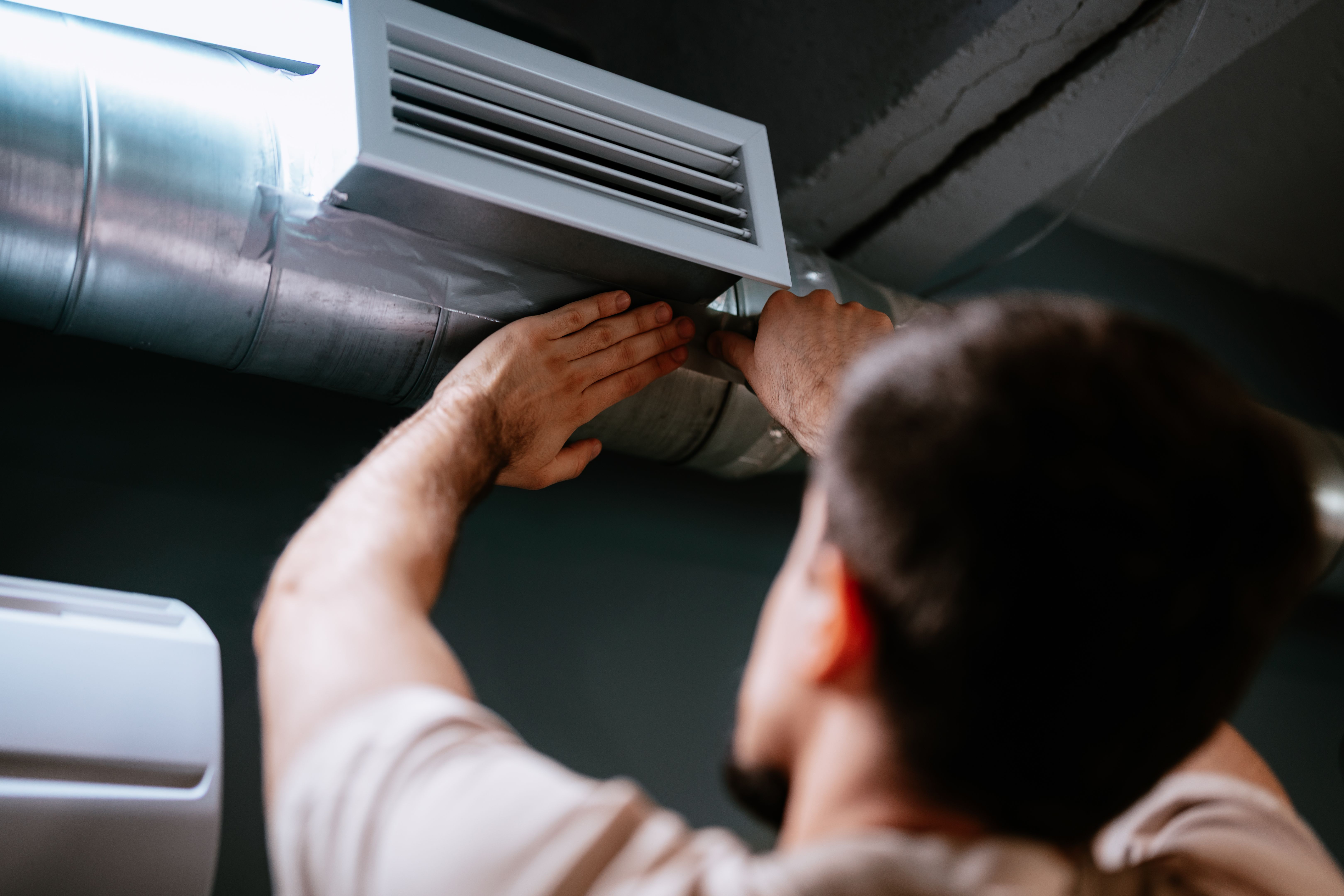
Maintenance and Efficiency
Regular maintenance is key to the longevity and efficiency of your HVAC system. However, some common misconceptions can lead to neglect or improper care, resulting in decreased performance and increased costs.
Myth 3: Annual Maintenance is Unnecessary
Skipping annual maintenance is a mistake many homeowners make. Routine check-ups are essential for identifying potential issues before they become major problems. Regular maintenance can also improve efficiency and extend the lifespan of your system.
Myth 4: Thermostat Location Doesn't Matter
The placement of your thermostat is crucial for accurate temperature regulation. If it's located in direct sunlight, near drafts, or in a poorly insulated area, it can give false readings and cause your system to run inefficiently. Ensure your thermostat is placed in a central location away from these influences.
Cost and Efficiency
Understanding the cost and efficiency of your HVAC system can help you make informed decisions about upgrades and replacements. Misconceptions in this area can lead to unnecessary expenses and suboptimal performance.
Myth 5: High-Efficiency Systems Are Always Expensive
While it's true that high-efficiency systems can come with higher upfront costs, they often result in significant savings over time due to reduced energy consumption. Additionally, many utility companies offer rebates and incentives for upgrading to energy-efficient models, which can offset initial expenses.

Myth 6: All Filters Are the Same
Not all filters are created equal. Using the wrong type of filter can reduce your system's efficiency and air quality. It's important to choose a filter that fits your system's specifications and addresses your specific needs, such as allergen reduction or enhanced airflow.
By understanding and addressing these common misconceptions, you can ensure your HVAC system operates efficiently and effectively, providing comfort and savings throughout the year. Regular maintenance, informed decisions, and proper use are key to getting the most out of your HVAC investment.