
Understanding HVAC Trends: Innovations in Air Conditioning Technology


The heating, ventilation, and air conditioning (HVAC) industry is undergoing rapid transformation, driven by technological innovation and the growing demand for energy-efficient solutions. Understanding these trends is crucial for homeowners and business owners alike, as they navigate the evolving landscape of air conditioning technology.
Energy Efficiency and Sustainability
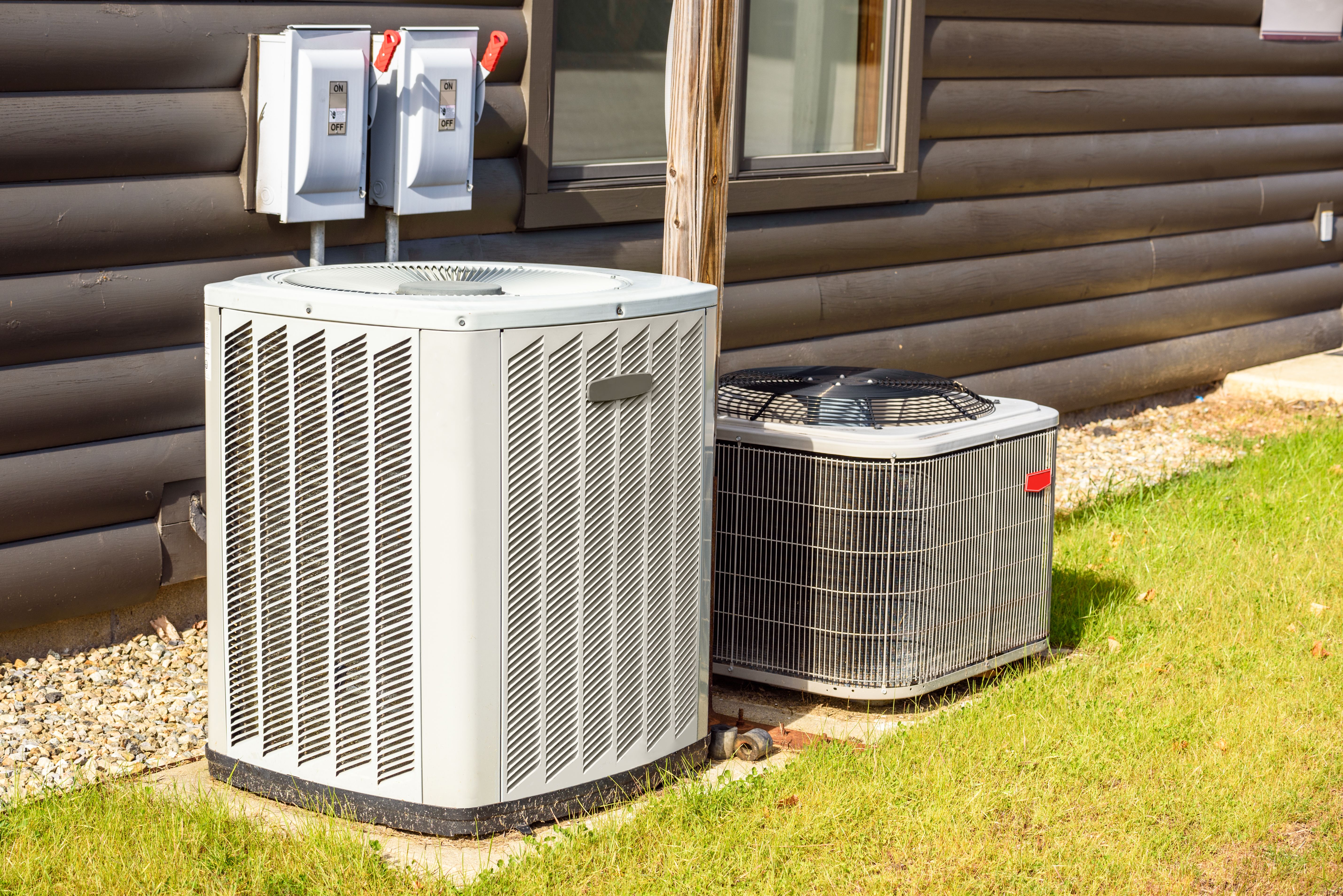
One of the most significant trends in HVAC technology is the focus on energy efficiency and sustainability. As climate change becomes a more pressing concern, the demand for systems that reduce energy consumption and environmental impact is increasing. Modern air conditioning units are now equipped with advanced sensors and controls to optimize energy use without compromising comfort.
Additionally, the integration of eco-friendly refrigerants is becoming standard. Traditional refrigerants are being phased out in favor of alternatives that have a lower global warming potential. This shift not only benefits the environment but also aligns with regulatory requirements in many regions.
Smart Technology Integration
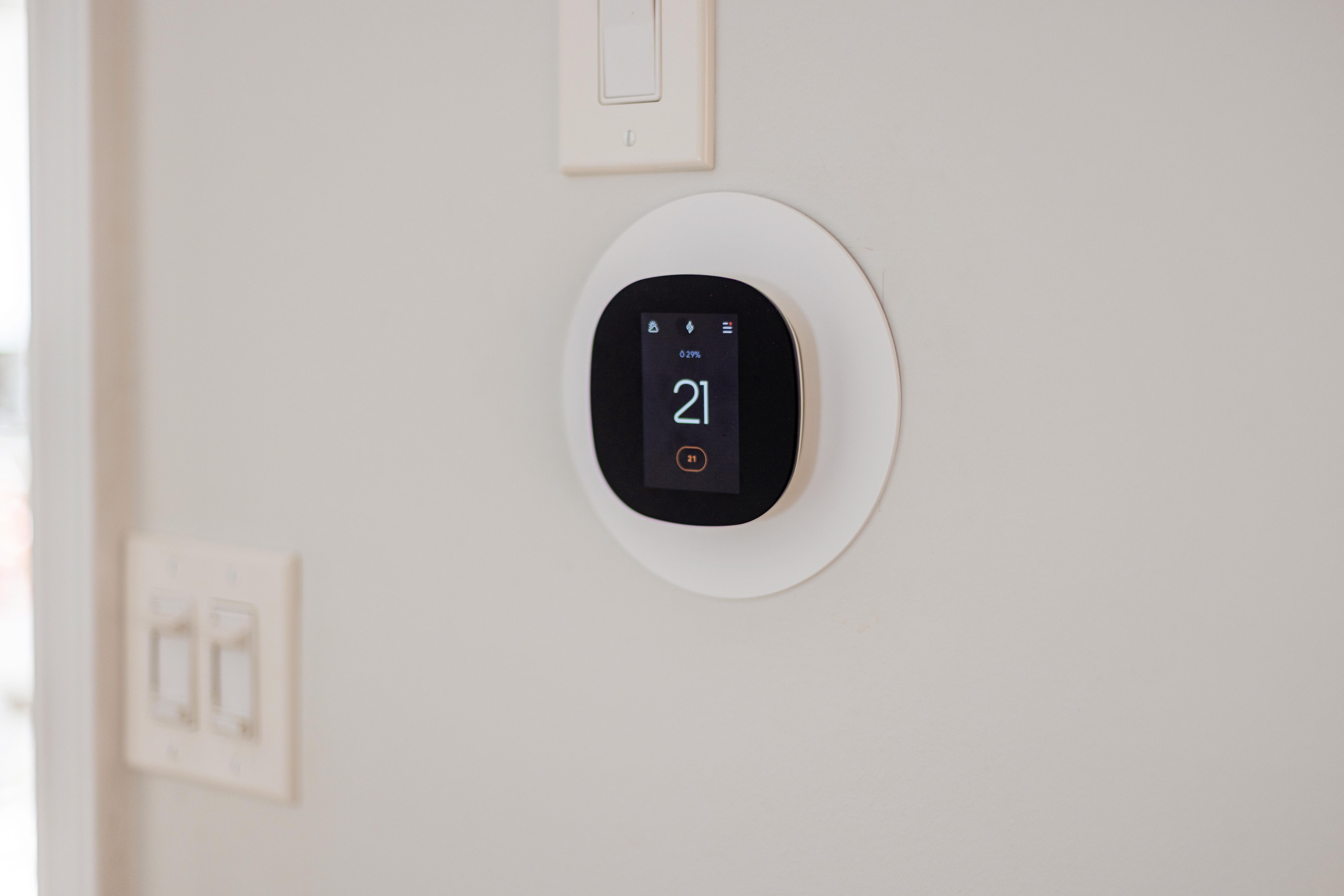
The rise of smart technology is another key trend in the HVAC industry. Smart thermostats and connected home systems allow users to control their air conditioning units remotely. This not only enhances convenience but also contributes to energy savings by enabling precise control over temperature settings.
Moreover, smart HVAC systems can learn user preferences over time, automatically adjusting settings for optimal comfort and efficiency. These systems often come with mobile apps, providing users with real-time data and insights into their energy usage.
Innovative Cooling Solutions
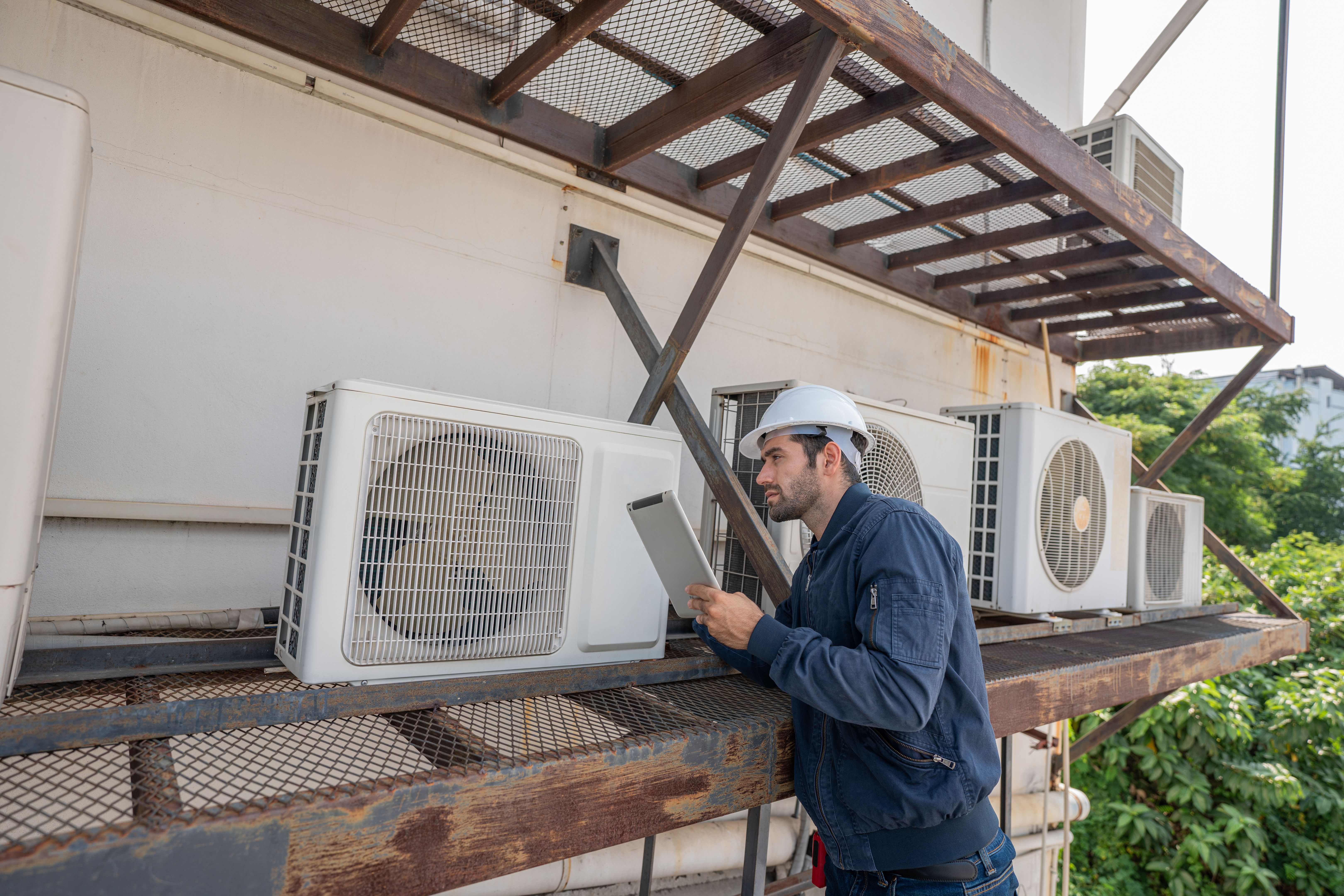
Recent innovations in cooling technology have led to the development of advanced solutions such as variable refrigerant flow (VRF) systems and ductless mini-splits. These systems offer flexibility and efficiency, making them ideal for both residential and commercial applications.
VRF systems, in particular, provide precise temperature control by varying the flow of refrigerant to indoor units. This allows different areas of a building to be cooled independently, enhancing comfort and reducing energy consumption.

Improved Indoor Air Quality
As people become more aware of the impact of indoor air quality on health, HVAC systems are increasingly incorporating features that improve air cleanliness. Modern air conditioning units often include advanced filtration systems that remove pollutants, allergens, and even viruses from the air.
Additionally, some systems are equipped with humidification and dehumidification features to maintain optimal humidity levels, further enhancing indoor air quality and comfort.
Conclusion
The HVAC industry is at the forefront of technological innovation, with trends that emphasize energy efficiency, smart technology, and improved air quality. These advancements not only benefit the environment but also provide users with enhanced comfort and control. As technology continues to evolve, staying informed about these trends will be essential for anyone looking to invest in new air conditioning solutions.