
Understanding Local Climate: How It Affects Your AC Needs


Understanding Your Local Climate
The climate of your region plays a critical role in determining the type and capacity of air conditioning systems you need. Whether you live in a hot, dry desert or a humid coastal area, understanding your local climate can help you make informed decisions about your AC requirements.
Temperature Variations
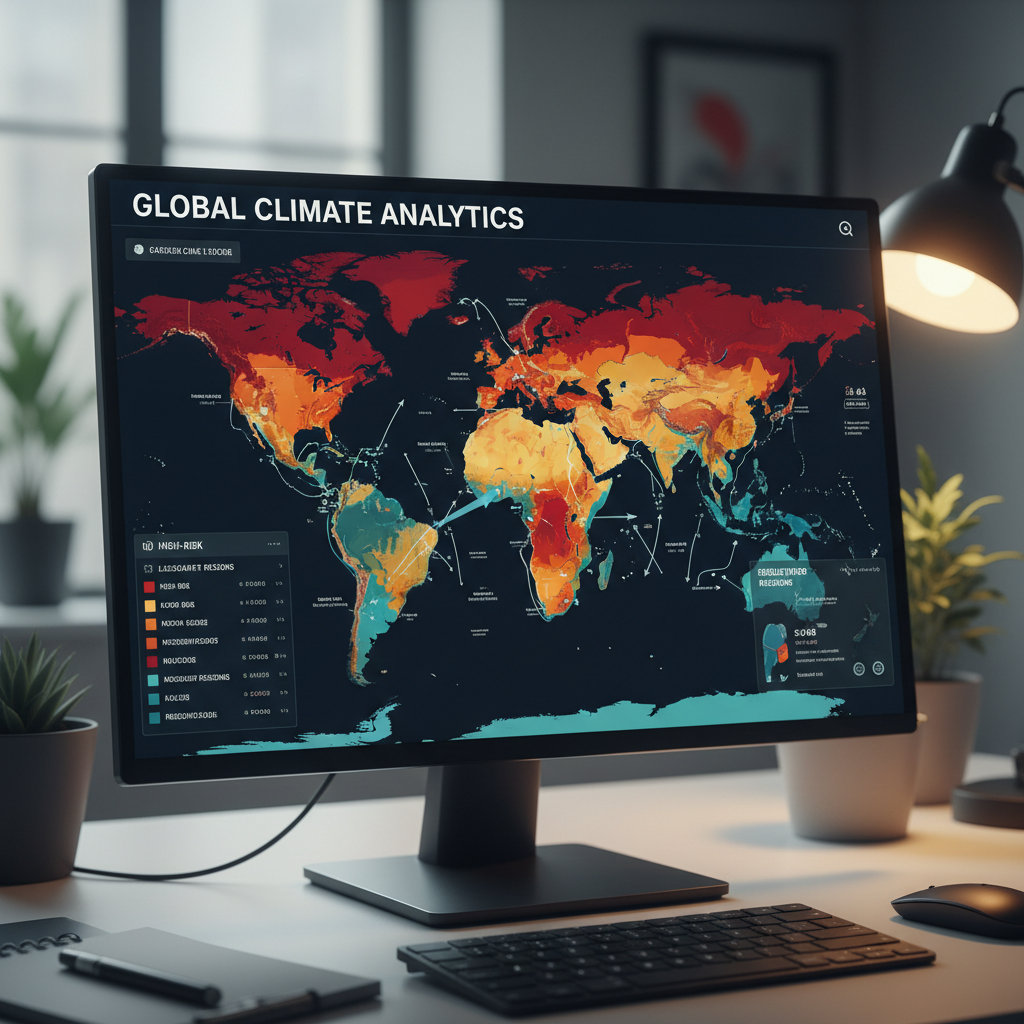
The average temperature in your area will significantly influence your AC needs. In regions with consistently high temperatures, a robust cooling system is essential. Conversely, in areas with milder summers, you might consider a less powerful unit. It's crucial to assess the highest summer temperatures to ensure your system can handle peak demands.
Consider the extreme temperatures your region experiences. Systems must be able to cope with these extremes to maintain comfort. A unit that is too small will struggle, while one that is too large may cycle on and off too frequently, wasting energy.
Humidity Levels
Humidity can greatly impact the efficiency and effectiveness of your air conditioning system. High humidity levels can make the air feel warmer, causing your AC to work harder to achieve the desired comfort level. In such climates, look for air conditioners with built-in dehumidifiers.

In contrast, areas with low humidity might not require these features. Understanding the humidity levels in your region can help you choose an AC system that adequately balances temperature and moisture.
Seasonal Changes
Seasonal changes can also affect your air conditioning needs. Some areas experience drastic shifts between summer and winter, requiring a versatile system that can handle both cooling and heating. A heat pump might be an excellent choice for such climates, offering both functionalities in one unit.

It's also essential to consider the duration of your cooling season. In regions where summers are long and hot, investing in a high-efficiency system can lead to significant savings on energy bills over time.
Choosing the Right System
When selecting an air conditioning system, consider the following factors:
- Capacity: Ensure the system is appropriately sized for your space.
- Energy Efficiency: Look for units with high SEER ratings.
- Features: Consider special features like smart thermostats and variable speed compressors.
Consulting with a local HVAC professional can provide valuable insights into the best options for your specific climate and home.
Conclusion
Understanding your local climate is vital for selecting the right air conditioning system. By considering temperature, humidity, seasonal changes, and other environmental factors, you can ensure your AC system is both effective and efficient. This knowledge not only enhances comfort but also optimizes energy consumption and cost savings.